

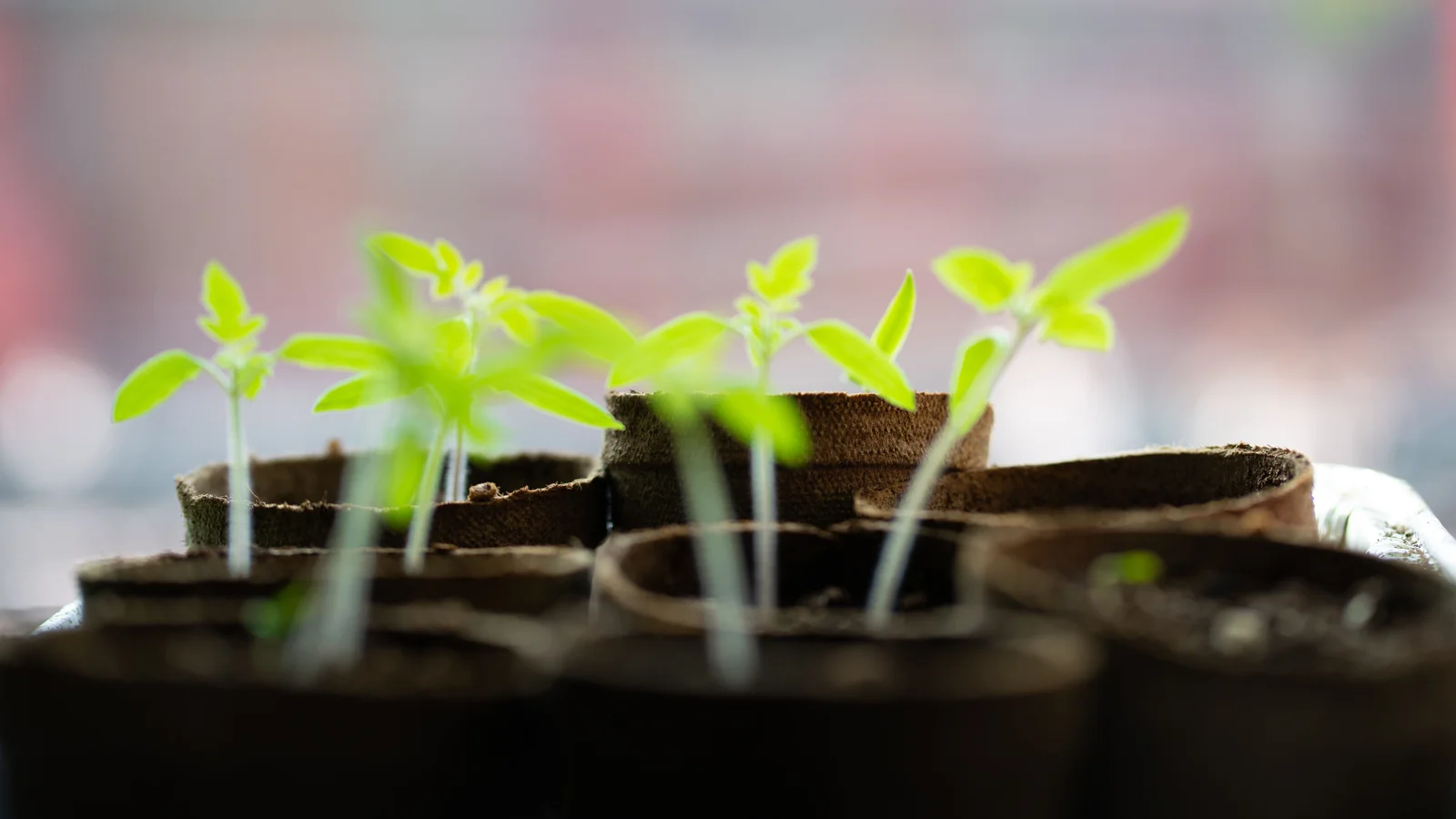
Anchored in the soil, a plant answers threats mainly by steering where its roots and shoots grow. A newly described version of that behavior lets roots protect themselves from microbes that gather in rotting material, Scientific American reported. The response was identified by Jiří Friml of the Institute of Science and Technology Austria and Yuzhou Zhang of Northwest A&F University in China, who named it after the Greek word for rotten and published the work in the journal Science, the Austrian institute said.
The warning comes from the decomposers rather than the dead tissue itself. Fungi digesting plant remains release organic and phenolic acids that form stable pH gradients in the surrounding soil, and roots of Arabidopsis, wheat, tomato and rapeseed read those gradients before any contact, bending away from rotting apple, leaves and even sawdust, according to the institute.
Botanists have long cataloged tropisms, from shoots bending toward light to roots following gravity or seeking water. Each of those responses helps a rooted organism cope with conditions it cannot walk away from. Unlike those classic responses, the new one does not rely on the hormone auxin, Friml said.
The practical interest lies in the field. Farming practices that plow large amounts of undecomposed crop residue into soil can create decay zones too big for roots to navigate around, raising exposure to harmful microbes and root disease, Zhang said.