

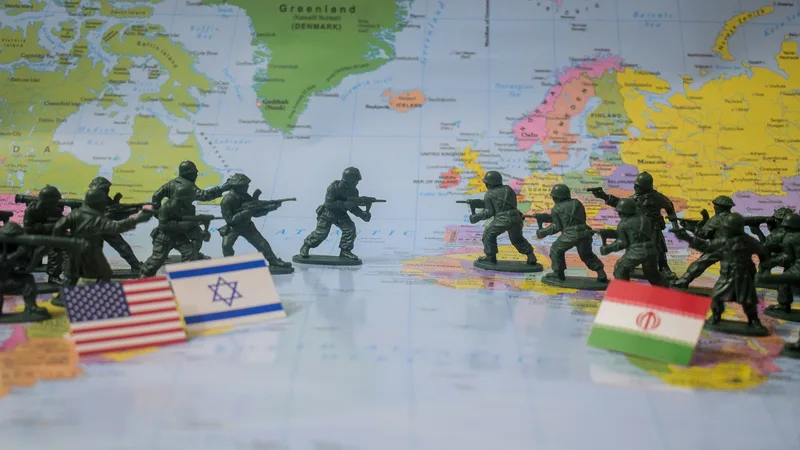
The United States is thinning its diplomatic presence across the Middle East. The drawdown follows months of uneasy calm since fighting with Iran paused earlier this year. The shift came in a memo from Director of National Intelligence Jay Clayton to Secretary of State Marco Rubio, which said Iran had "substantially increased efforts to target U.S. personnel" and that American agencies now judge the danger to be the highest since the war began in February, The New York Times reported.
Saudi Arabia, host to one of Washington's largest diplomatic footprints in the Gulf, is the first mission placed under a formal ordered departure. The State Department told non-emergency government employees and their families to leave the kingdom, citing Houthi attacks on civilian airports that caused casualties and severe travel disruption, and it now requires American staff to obtain special authorization before using any Saudi airport, the US mission said in a security alert. An ordered departure is among the more serious steps the department can take short of closing a mission. Such orders typically stay in place until officials judge the threat has eased.
In Washington, the choice is being framed in stark terms. Trump told Fox News it was "getting to be decision time" and that he must choose between making a deal with Tehran or moving to "finish it off," Bloomberg reported. Political calendars on both sides of the alliance are now part of the military calculus. Tehran has said American strikes would not alter its position, while Israeli Prime Minister Benjamin Netanyahu faces voters on Tuesday and analysts cited by the Times suggested a defeated leader might order a final strike his successor would be reluctant to carry out, the newsletter noted. Governments across the Gulf will be watching for the first sign of which way Washington leans.