

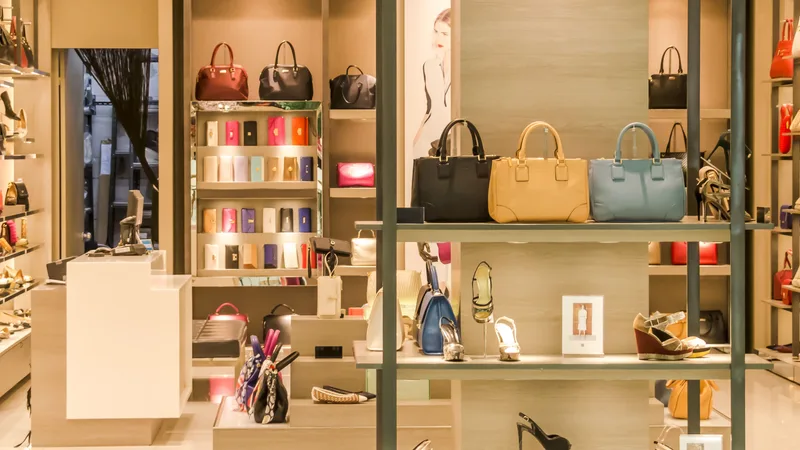
China powered Europe's fashion and handbag houses for more than a decade, and its cooling is now the industry's heaviest drag. Western luxury brands have shed roughly $280 billion in value this year as Chinese consumers spend less in total while directing more of their budgets to home-grown labels, Semafor reported. The decline extends a slump that set in once the post-pandemic spending boom faded.
Europe's largest fashion and leather-goods houses have felt the pressure most directly. Softer Chinese spending, together with AI-related volatility in equity markets that has curbed purchases of expensive footwear and bags, has cost the region's biggest luxury groups about €250 billion of market value this year, the Financial Times reported. The decline has spread across the sector rather than staying confined to a single company.
The change inside China runs deeper than a cyclical dip. Chinese manufacturers now compete with Western rivals on quality as well as price, as Beijing works to shed the reputation of "made in China," and they are winning global share in fields such as high-precision lenses and pharmaceuticals, according to Semafor. That matters for luxury houses whose pitch rests on heritage and craftsmanship, qualities that once insulated them from local competition. It also leaves Western brands competing for a larger slice of a smaller pool of spending.
The same trend is spilling into trade policy. China's exports increasingly overlap with those of advanced economies, chiefly in chemicals and machinery, with subsidized electric vehicles the largest single driver, a Council on Foreign Relations analysis found. Those categories sit far from the handbags and leather goods at the centre of the luxury slowdown. They do, however, shape the trade climate in which European brands sell to Chinese consumers.