

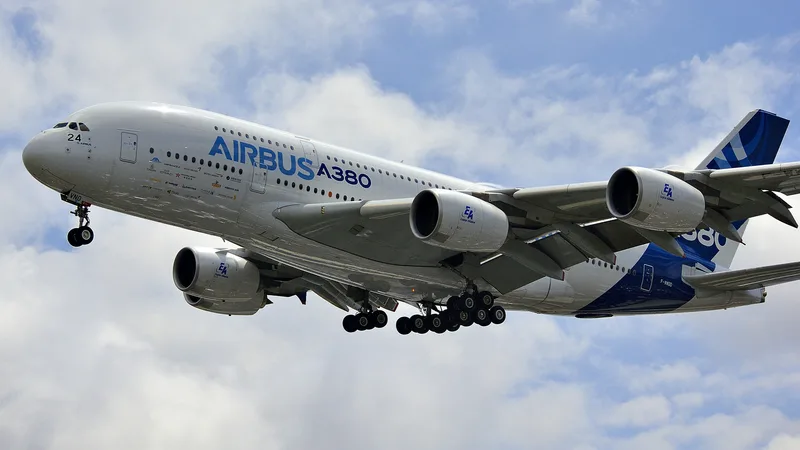
The transatlantic truce over aircraft subsidies, which quieted one of the oldest fights in global trade, is showing fresh strain. Washington received zero answers to repeated requests for details on the loan, which arrived almost immediately after the EU extended the pause on duties this summer, Greer said in a statement, adding that the matter "injects substantial uncertainty into transatlantic trade in the aerospace sector" and should be settled quickly. He also said he "had sincerely hoped that trade-distorting European subsidies to Airbus were a thing of the past."
The lender at the center of the complaint is the European Union's own bank, owned by the bloc's member states and the largest multilateral development lender on the continent. In June, Airbus signed the first tranche of what the EIB called the largest corporate envelope it has ever approved, money for research and development through 2030 in France, Germany and Spain that EIB President Nadia Calviño presented as evidence Europe can back its champions quickly and that Airbus finance chief Thomas Toepfer said came on "highly competitive" terms, the bank said in its release.
Greer's complaint rests on the large civil aircraft understanding the two sides struck to settle their long dispute. Under it, each side intends to finance its aircraft maker on market terms, run R&D funding through open and transparent processes, suspend countermeasures for a multiyear period and refer disagreements to a working group led by trade ministers, the understanding states.
Greer's statement does not announce new duties or set a deadline, and it does not describe what Washington would do if details are not forthcoming. For airlines, parts suppliers and aerospace workers on both sides of the Atlantic, the pause has kept tariffs off aircraft and components for the past several years. The working group created by the deal gives the two governments a channel for the dispute, and the immediate question is whether Brussels supplies the loan terms Greer has asked for.