

Elon Musk has wanted SpaceX to sell its own phone service for years. In recent months he took that ambition to the incumbents themselves, asking the leaders of Verizon and other large U.S. telecom companies to let SpaceX use their networks to launch a mobile offering, the Washington Post reported. According to the same report, SpaceX is also in talks either to buy Boost Mobile or to use its network.
The outreach follows SpaceX's biggest move yet into terrestrial wireless. The deal still has to clear the commission. Once it does, the licenses carry coverage milestones stretching over the next decade, according to SpaceX's application.
The carriers Musk approached have been publicly dismissive. On their third-quarter earnings calls last week, Verizon chief executive Dan Schulman said he saw no benefit in extending a wholesale deal to any satellite provider, and T-Mobile chief executive Srini Gopalan said he did not see room for such an agreement either, Communications Daily reported. AT&T's chief struck a similar note in October. Without a partner, SpaceX would have to build its own ground network, an effort analysts described as likely to take years and cost far more than the spectrum itself, Reuters reported.
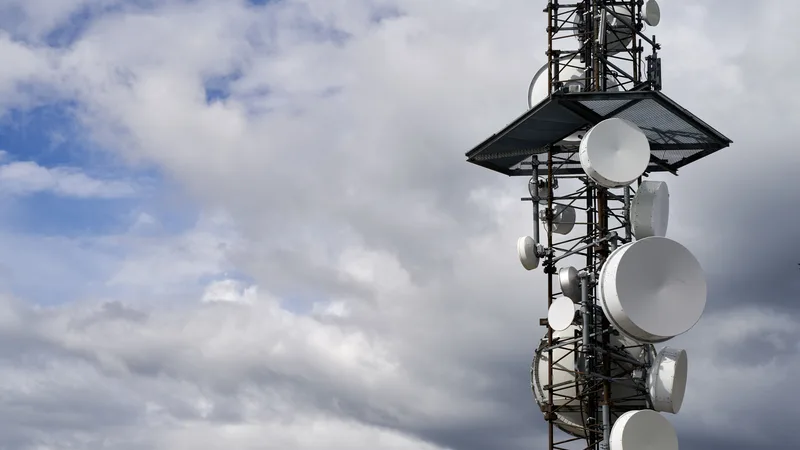
The tower industry is already positioning for new business. Schulman confirmed that SpaceX has been talking to tower companies, and American Tower's chief executive, when asked about those discussions, said anyone building a national network at scale would come to his company, Communications Daily reported. John Stankey, AT&T's chief executive, has said Starlink Mobile could suit rural areas. Where fiber and wireless coverage already exist, he said, it would struggle. Mobile service in cities, where buildings block signals and demand is concentrated, is a different proposition, which is why a ground network or a wholesale partner matters. Schulman also offered a timeline. Even on his shortest reckoning, somewhere between four and six years would pass before SpaceX might stand as a credible wireless rival.