

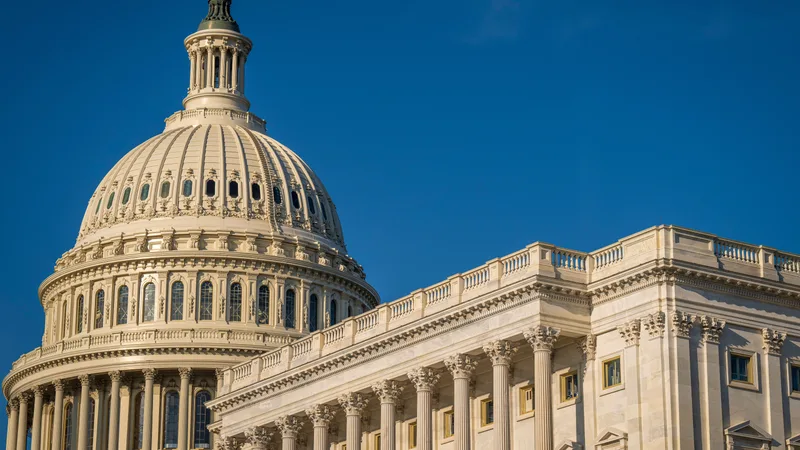
Democrats will run both chambers of Congress after Tuesday's midterm elections. Hours after the party won the House, NBC News projected a Democratic Senate majority with two races still uncalled, built on pickups in states that had not elected a Democratic senator in decades, the network reported. Midterm elections have historically punished the party holding the White House, but losses reaching so far into reliably Republican territory are unusual. The result leaves Trump facing a Congress controlled by the opposing party.
The gains were not confined to a handful of upsets. Democrats also flipped seats in Iowa, Ohio, Maine and North Carolina, and Kansas had gone close to a century without electing a Democratic senator, the Associated Press reported. Some of those states were rated competitive before the vote; others had not been seriously contested in recent cycles. Democrats also held on to battleground seats in Georgia and Michigan. Senate Democrats will now shape the floor agenda that Republicans had run since 2025.
Wall Street spent election night bracing for a sweep and then reversed course. Stock futures climbed from an overnight slide after the president told the Wall Street Journal he would work with Democrats, led by health insurers and renewable energy shares, while data-center-linked names lagged on worries over the Texas governor's race, won by Democrat Gina Hinojosa, who campaigned on halting new data centers in the state, after defeating incumbent Greg Abbott, CNBC reported. Texas hosts a large share of the country's data center capacity, which is why that contest drew attention far beyond the state. Some strategists also pointed to the market's record under divided government, when fewer new policies and regulations reach businesses.