

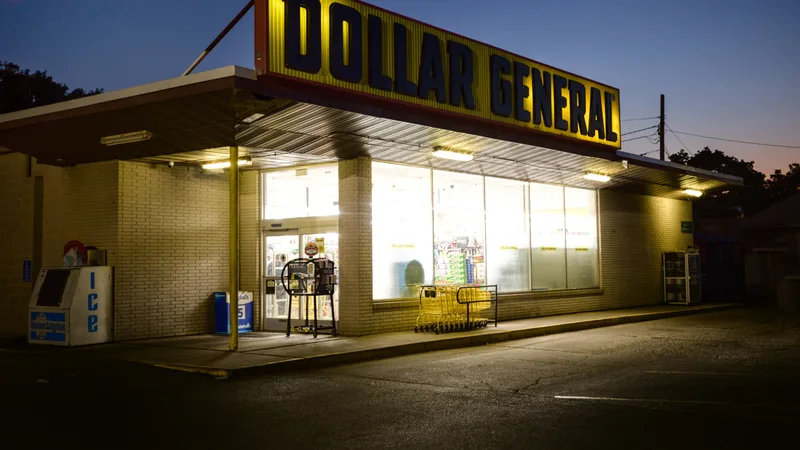
The suit strikes at the heart of a retailer whose pitch is that a dollar stretches further in its aisles. Filed Monday in the U.S. District Court for the Middle District of Tennessee, the joint complaint from the FTC and 20 states accuses Dollar General of routinely ringing up prices at checkout that ran higher than its shelf labels, tags, and ads, and asks for a permanent injunction, monetary relief, and civil penalties. The federal claims rest on the FTC Act's ban on deceptive practices, while the states invoke their own consumer protection and weights-and-measures laws. A few cents on a low-priced item matters more here than at most retailers, because much of the chain's revenue comes from households on modest incomes.
Dollar General has spent decades building a footprint in small towns. Founded in 1939, it sells everyday essentials at prices typically $10 or less in small-box stores, and operated 21,148 stores as of July 31, 2026. That reach is what gives a systemic pricing error national consequences.
Regulators say the problem was neither new nor hidden. From the start of 2023 through March 2026, the company logged at least 29,265 complaints about not honoring the marked price, and between 2019 and 2026 it settled seven pricing cases with state authorities for more than $6 million in penalties, according to the complaint. Those earlier cases were handled state by state. This filing brings the federal agency and a bloc of states into one courtroom.
The company disputes the characterization. Dollar General said occasional price discrepancies occur at any retailer, that it has cooperated with the FTC since February and sent a monetary counteroffer to a September settlement proposal, and that it will defend the case vigorously, CNBC reported. Pricing has drawn legal scrutiny before: shareholder suits filed in November 2023 allege the company misrepresented how store labor, inventory and pricing practices affected its results, its quarterly report discloses. Those cases remain pending as the new one begins.